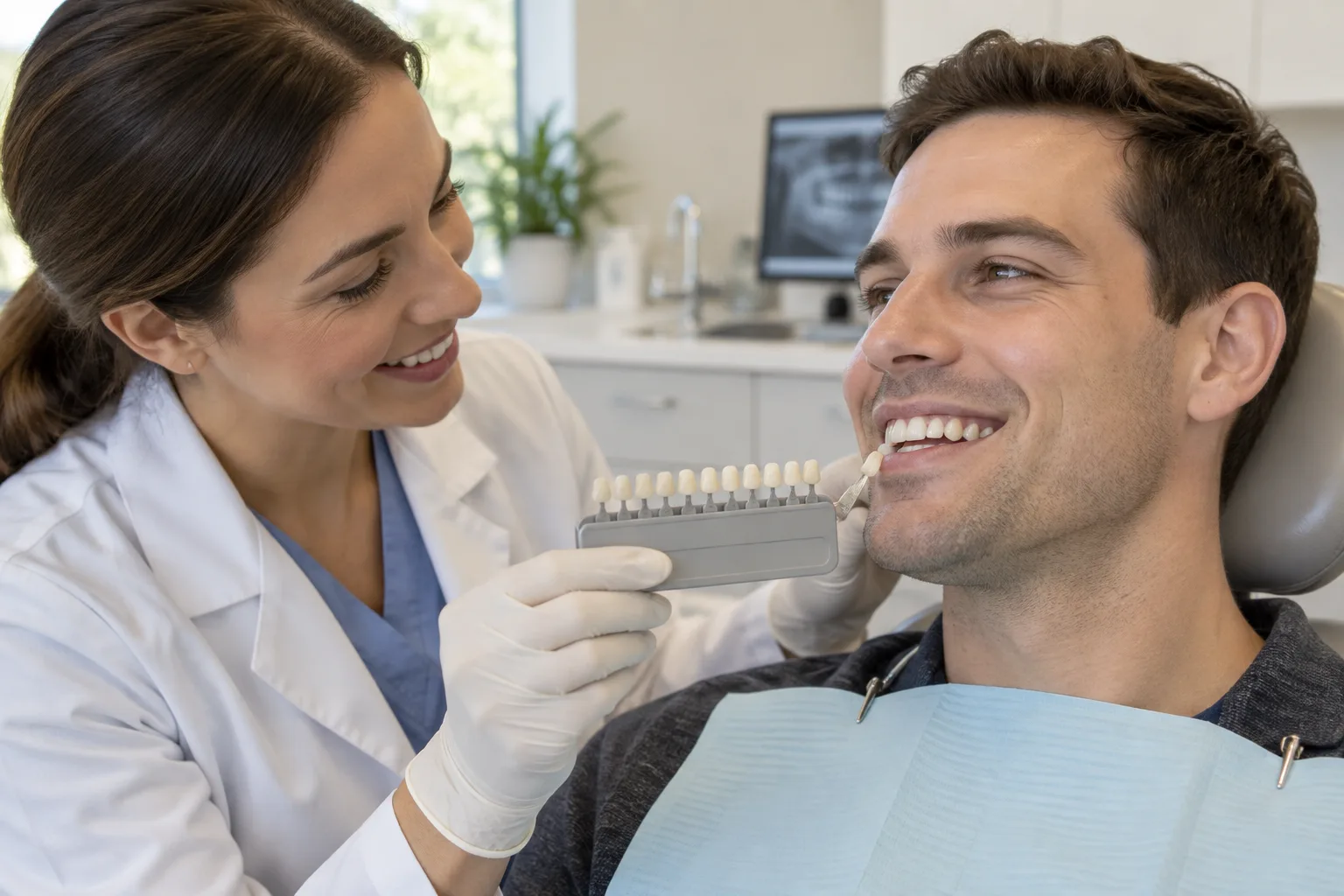
What Happens During a Tooth Extraction in South Philadelphia
Learn what to expect before, during, and after a tooth extraction in South Philadelphia, including anesthesia options, recovery tips, and aftercare guidance.

Know What to Expect Before Your Tooth Extraction
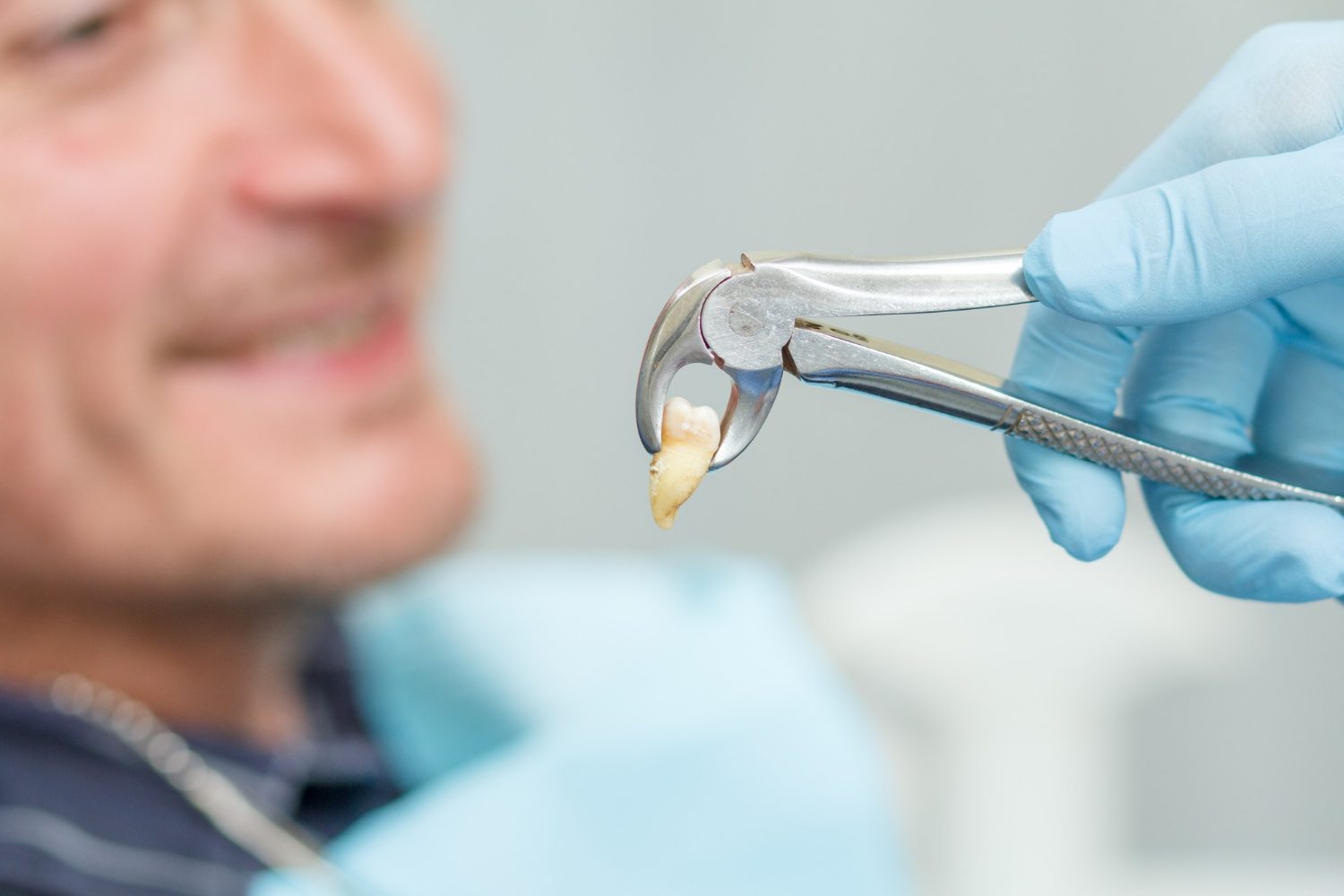
A tooth extraction sounds scary, but it is simply the careful removal of a tooth from your mouth. Dentists may recommend it when a tooth is badly decayed, infected, cracked, very loose, or when there is not enough room in your jaw. Sometimes wisdom teeth or crowded teeth need to come out to protect the rest of your smile.
Many people feel nervous when they hear they need a tooth removed. That is completely normal. Modern methods, gentle anesthesia, and a calm, family-focused setting help make the process far more comfortable than most people expect. When you know what will happen before, during, and after, it becomes much easier to feel calm and prepared.
At our South Philadelphia and Haddonfield offices, we focus on relationship-based care, which means we take time to talk with you, answer questions, and help you understand each step. Clear communication helps you feel in control instead of surprised. For students and busy professionals, planning the extraction during a slower time, like early summer, can also make recovery less stressful and easier to fit into your schedule.
Common Reasons You May Need a Tooth Removed
There are many reasons a dentist might recommend a tooth extraction in South Philadelphia. Some of the most common are related to damage or disease in the tooth or gums.
You may need an extraction if you have:
- Deep decay that reaches the nerve
- A tooth that is cracked below the gumline
- A tooth that has broken in a way that cannot be repaired
- Advanced gum disease that has loosened the tooth
In other cases, the problem is space and alignment, not just damage. Orthodontists sometimes ask for teeth to be removed to make room for straightening. Wisdom teeth that are stuck under the gums, called impacted teeth, can push on neighboring teeth, cause jaw soreness, or lead to repeated infections. Removing them can protect the rest of your mouth.
An extraction can also be part of a bigger picture for your long-term oral health. Taking out a badly damaged tooth may prevent:
- Ongoing pain or swelling
- Spread of infection to nearby teeth or bone
- More complex treatment later
Once healing is complete, that space can often be restored with options like implants, bridges, or aligners to keep your bite stable and your smile looking natural.
Step-by-Step: What Happens Before Your Extraction
Before anything comes out, we start with a careful exam. During your visit, we will:
- Review your health history and medications
- Take X-rays to see the tooth roots and bone
- Talk with you about your symptoms and any dental anxiety
- Discuss your goals for comfort, function, and appearance
Based on what we see on the X-rays and during the exam, we decide if you need a simple extraction, where the tooth is already above the gumline, or a surgical extraction, where we may need to work under the gums or around bone. We explain the plan in everyday language, go over possible risks and benefits, and give you plenty of time to ask questions.
Before your appointment, we may give you instructions such as:
- Whether you should eat a light meal or avoid food, depending on the type of anesthesia
- Which medicines to pause or adjust, with guidance from your dentist and, when needed, your physician
- Planning a ride home if you choose sedation so you are not driving while groggy
If your extraction is scheduled in June or another warm month, it helps to plan ahead. Try to arrange time off from heavy activities, sports, or long trips right after your visit. Many people like to prepare a small recovery kit at home with:
- Soft, cool foods like yogurt, pudding, or smoothies in a bowl
- Extra pillows to rest with your head slightly raised
- Ice packs or cold packs for the side of your face
A little planning can make those first few days much easier.
What You Will Feel During the Tooth Extraction
One of the biggest questions people have is, “Will it hurt?” Our goal is to keep you as comfortable as possible. We start by numbing the area around the tooth with a local anesthetic. You might feel a small pinch and some pressure as the numbing medicine goes in, but that part is quick.
Some patients also choose options like nitrous oxide, sometimes called laughing gas, or oral sedation to help them feel more relaxed. Before we begin, we always check that the tooth and nearby gums feel completely numb. If you feel anything sharp, we stop and give more anesthetic.
During a simple extraction, we gently loosen the tooth with special instruments. You can expect:
- Firm pressure around the tooth
- Some rocking or movement
- Possible cracking or scraping sounds
During a surgical extraction, such as for an impacted wisdom tooth, we may need to:
- Gently open the gum over the tooth
- Remove a small amount of bone around it
- Divide the tooth into sections so it can be lifted out more easily
You still should not feel sharp pain, only pressure and movement. If at any point you are uncomfortable, you can raise your hand and we will pause and adjust. Our team stays with you, speaks calmly, and keeps an eye on how you are doing from start to finish.
Healing After a Tooth Extraction in South Philadelphia
Right after the tooth is removed, we place gauze over the area and ask you to bite down gently. This helps control bleeding and allows a blood clot to form in the socket. That clot is very important for healing, so it is important to protect it.
We will give you written and verbal instructions, which may include:
- Keep the gauze in place as directed, changing it as it becomes damp
- Rest at home and avoid heavy lifting or intense exercise for the first day
- Use cold packs on the outside of your cheek for short periods to limit swelling
- Take prescribed or recommended pain relievers only as directed
For the first few days, you should avoid drinking through a straw and avoid smoking, because the strong suction and chemicals can disturb the clot. Choose soft, cool foods that are easy to chew on the opposite side of your mouth, which can feel especially soothing in warm weather.
Normal healing often looks like this:
- First 24 hours: Mild bleeding slows, the area feels sore or tender, and swelling may begin
- 24 to 72 hours: Swelling often peaks, soreness gradually gets better, and you may switch from stronger medicine to milder options
- First week: Tenderness continues to fade, and the gums start to close over the socket
You should contact your dentist if you notice severe pain that does not improve, bleeding that does not slow down, bad taste or smell that concerns you, or signs of fever or spreading swelling. These may be signs that you need extra care.
Once the site has healed enough, we can talk about long-term options for the space left by the tooth, such as implants, bridges, or partial dentures. Follow-up visits are important to check your bite, protect the neighboring teeth, and plan the right solution for your smile.
Take the Next Step Toward Comfortable, Confident Care
Putting off a needed tooth extraction in South Philadelphia can lead to sudden pain, infections, or emergency visits that interrupt work, school, or family plans. When you understand what happens during the procedure and healing, it becomes easier to take that next step with confidence.
At Pera Dentistry, our family-run team is committed to kind, relationship-based dentistry in South Philadelphia and Haddonfield. We get to know you by name, listen to your worries, and guide you carefully before, during, and after your tooth extraction so you can focus on feeling better and getting back to your normal routine.
Protect Your Oral Health With Comfortable, Expert Care
If you are experiencing pain or have been told you may need a tooth extraction in South Philadelphia, we are here to guide you through every step with clarity and compassion. At Pera Dentistry, we carefully evaluate your situation, explain your options, and focus on making your visit as easy and stress-free as possible. Reach out today to schedule an appointment or ask questions about your specific needs through our contact page.
Dr. Salvatore A. Pera, DMD
General & Cosmetic Dentist · Founder
Dr. Salvatore Pera founded Pera Dentistry & Aesthetics in South Philadelphia to bring comprehensive dentistry and aesthetic care together under one roof. Alongside Dr. Louis Pera and Dr. Maria Pera, he treats every patient the way he would treat family — unhurried, thorough, and focused on long-term health.
Meet the DoctorsBook a consultation with our team
Same-week appointments are available for new patients in South Philadelphia. We accept most PPO insurance plans.
Book an Appointment(215) 468-1425