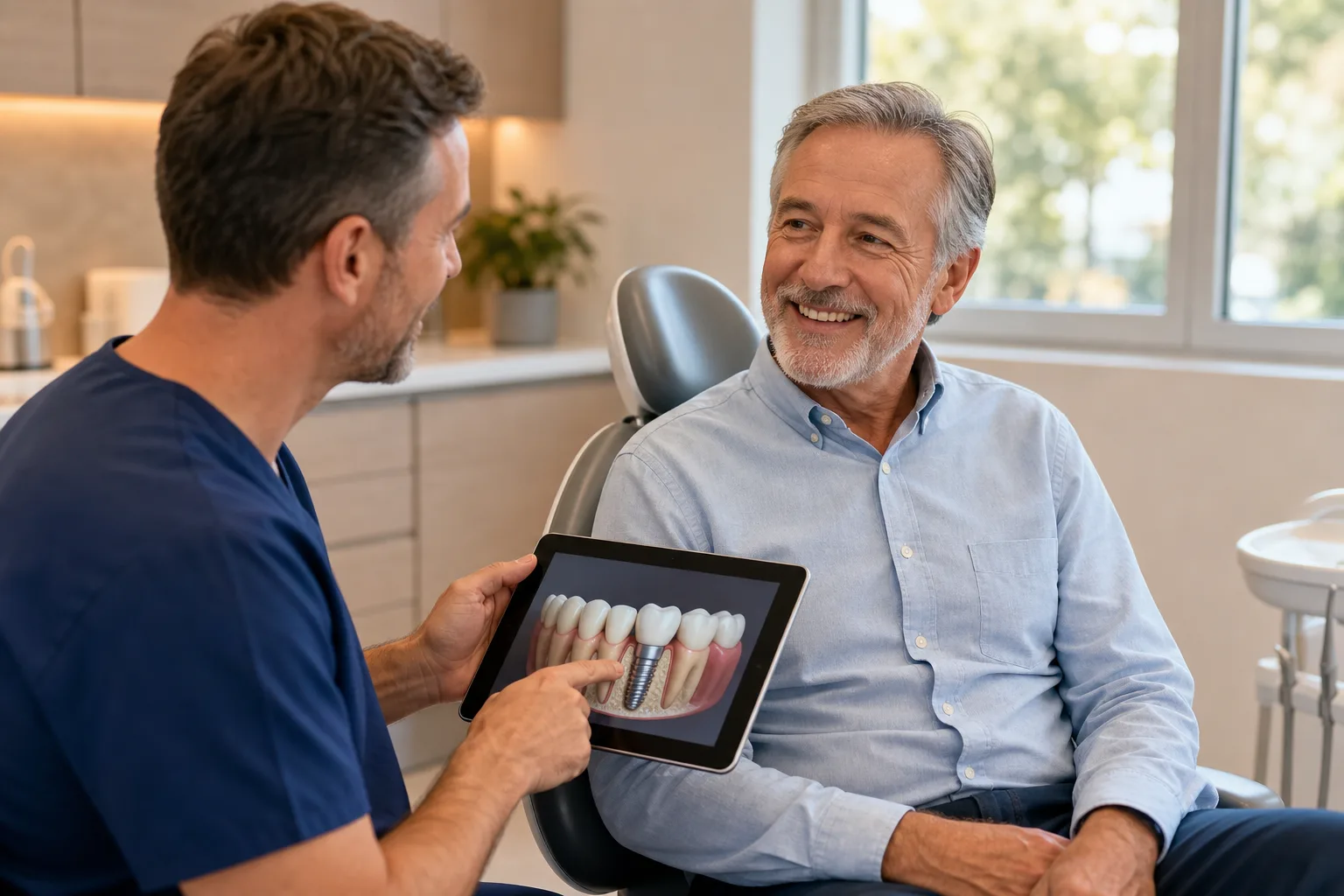
Tooth-Colored Fillings in South Philadelphia: What to Expect When You Need a Cavity Filled
Need a cavity filled in South Philadelphia? Here's how tooth-colored composite fillings work, what the visit feels like, and how to make them last.

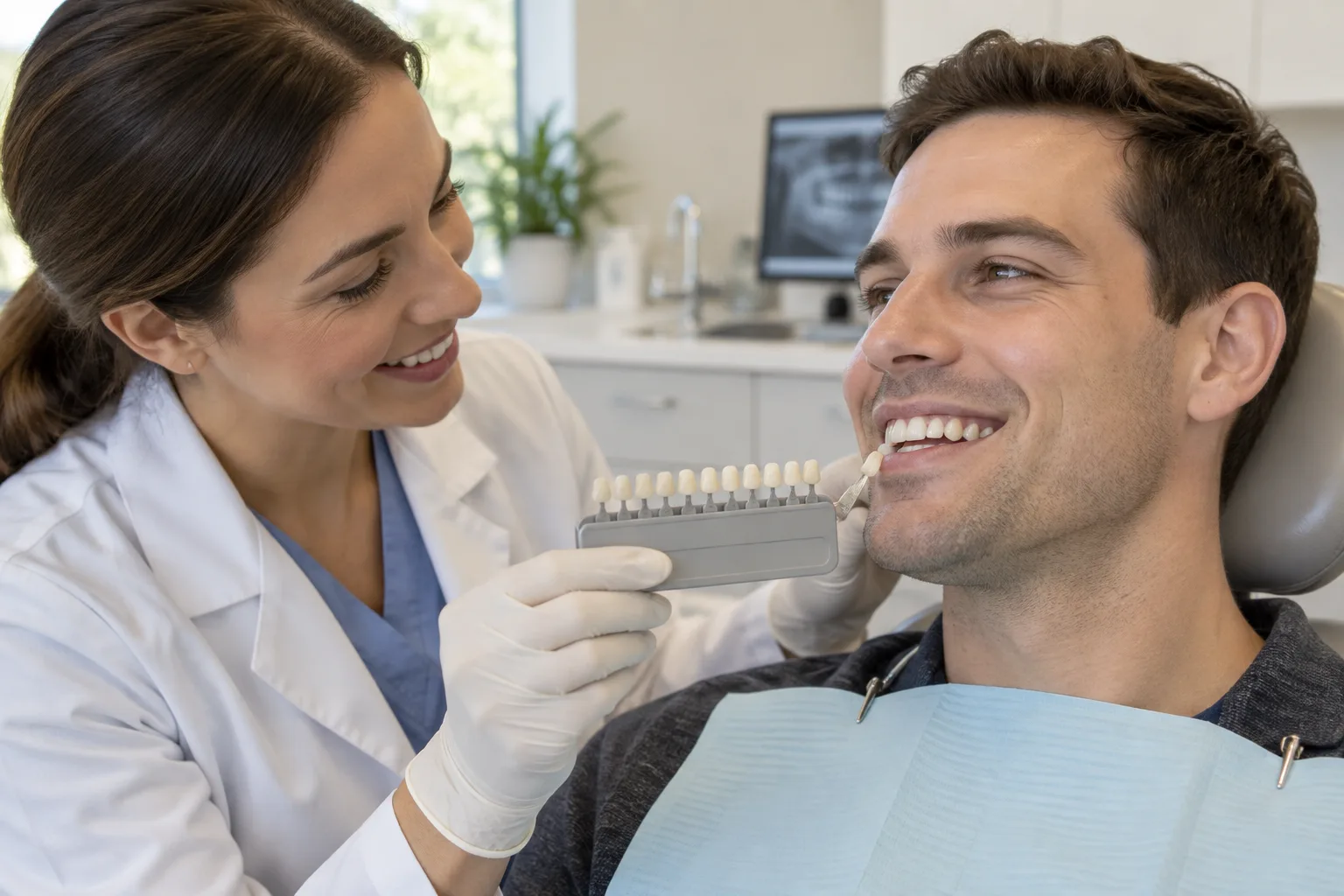
Almost nobody walks into a checkup hoping to hear the word “cavity.” But if you have, take a breath — a small filling is one of the most routine, most predictable things we do. At our family-run practice on South Broad Street, we place tooth-colored fillings for South Philadelphia patients every single week, and most people are back to their day within an hour, wondering why they were nervous at all.
If it’s been a while since your last one — or if this is your first — here’s an honest, plain-English look at what happens, what it feels like, and how to keep the next one from happening.
Why a Small Cavity Shouldn’t Wait
Tooth decay doesn’t reverse itself. A cavity starts as a soft spot in the enamel, and once bacteria break through that outer shell, the damage works inward toward the softer dentin and eventually the nerve. The good news is that early decay is cheap and easy to fix. The frustrating part is that early decay usually doesn’t hurt at all — which is exactly why so many cavities are first caught on an X-ray at a routine exam rather than by the patient.
Waiting is what turns a simple appointment into a complicated one. A cavity caught early becomes a 30-minute filling. The same cavity six or twelve months later can need a crown or a root canal once it reaches the nerve. When we tell you something is small, that’s genuinely the best time to handle it.
What “Tooth-Colored” Actually Means
Older fillings were made of silver-colored amalgam. They worked, but they were obvious in photos, they didn’t bond to the tooth, and over the years they could expand and contract enough to leave hairline cracks in the enamel around them.
We use composite resin instead — a tooth-colored material we shade-match to your natural enamel and bond directly to the tooth. A few practical advantages:
- It’s invisible. Once it’s polished, even you will have trouble finding it.
- It bonds to the tooth. That means we can remove less healthy structure and still get a strong, sealed result.
- It’s repairable. If a filling chips down the road, we can often add to it rather than replace the whole thing.
- It’s done in one visit. No lab, no temporary, no second appointment.
If you have old silver fillings that are worn, stained at the edges, or leaking, we’re happy to talk through whether replacing them makes sense — or whether they’re fine to leave alone. We don’t believe in replacing dental work that’s still doing its job.
What the Appointment Feels Like
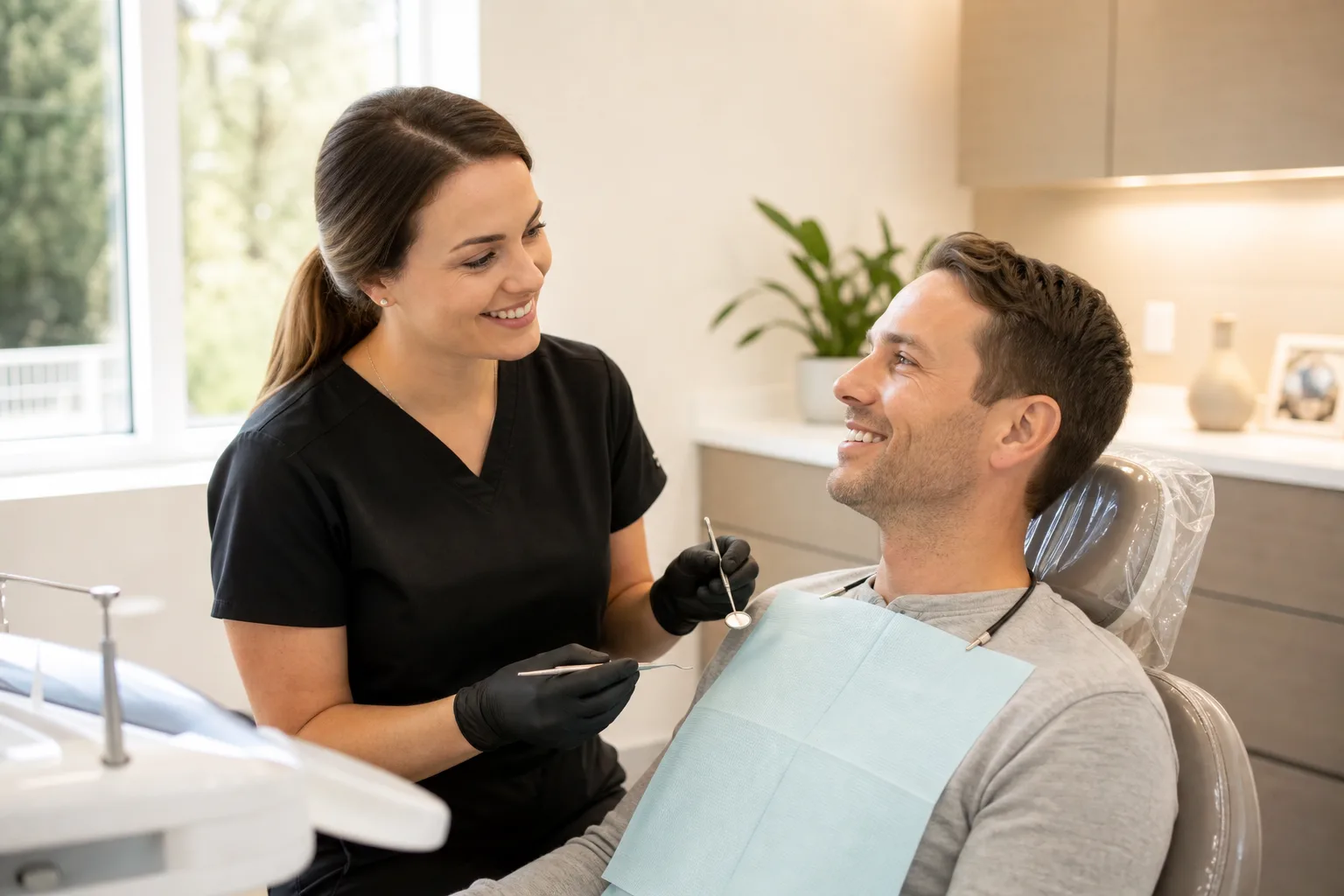
Here’s the whole thing, start to finish.
First, we numb the area. We use a topical gel before the anesthetic so most people don’t feel the injection itself, and we take our time — nothing gets started until you tell us you’re fully numb. For a very small filling on a front tooth, some patients skip the numbing entirely.
Next, we clean out the decay. This is the part with the sound people remember, and it’s the shortest part of the visit. Then we condition the tooth, place the composite in thin layers, and cure each layer with a curing light so the material hardens on the spot.
Last, we shape and polish. You’ll bite down on a thin strip of paper a few times so we can check that the filling isn’t sitting even a fraction of a millimeter high. That adjustment is the difference between a filling you forget about and one that nags at you for weeks — so if your bite feels off after the numbness wears off, call us. It’s a two-minute fix and we’d much rather see you.
Most single fillings take about 20 to 40 minutes. You can eat as soon as the numbness is gone, though we’d suggest waiting on that cheesesteak until you can feel your lip again.
Will It Be Sensitive Afterward?
A little sensitivity to cold or to biting pressure for a few days is normal, especially on a deeper filling — the tooth is essentially recovering from being irritated. It should fade steadily. What isn’t normal is sensitivity that gets worse over a week or two, throbbing pain, or a lingering ache after hot or cold. That’s worth a phone call, because it can mean the nerve needs more attention.
Making Your Fillings Last
Composite fillings typically last somewhere between seven and fifteen years, and the range depends much more on habits than on the material.
- Brush twice daily with fluoride toothpaste and clean between your teeth once a day. Decay at the margin of an old filling is the most common reason one fails.
- Keep your six-month cleanings and exams. We can spot a filling starting to break down long before you’d notice.
- Cut back on sipping. Grazing on sweetened coffee or soda all afternoon keeps your teeth under acid attack for hours; having it in one sitting is far gentler.
- If you grind your teeth, ask us about a night guard. Clenching is hard on fillings and even harder on natural enamel.
- Don’t chew ice, pens, or hard candy. Composite is strong, but it isn’t indestructible.
We’ll Be Straight With You
One thing we hear a lot from new patients is that a previous office quoted them a mouthful of work they weren’t sure they needed. We’ll show you the X-ray, show you the photo, and tell you honestly what needs treatment now, what we should watch, and what can wait. Sometimes the right answer is fluoride and a recheck in six months.
If you’re overdue for a checkup, or you’ve noticed a rough spot, a dark line, or a twinge when you bite down, let’s take a look before it becomes something bigger. You can schedule a visit online or call our South Broad Street office — we’d be glad to meet you.
Dr. Salvatore A. Pera, DMD
General & Cosmetic Dentist · Founder
Dr. Salvatore Pera founded Pera Dentistry & Aesthetics in South Philadelphia to bring comprehensive dentistry and aesthetic care together under one roof. Alongside Dr. Louis Pera and Dr. Maria Pera, he treats every patient the way he would treat family — unhurried, thorough, and focused on long-term health.
Meet the DoctorsBook a consultation with our team
Same-week appointments are available for new patients in South Philadelphia. We accept most PPO insurance plans.
Book an Appointment(215) 468-1425