When to Consider Botox for TMJ in South Philadelphia
Learn when to try Botox for TMJ in South Philadelphia, what to expect, and how treatment may relieve jaw pain, tension, and headaches.

Find Relief From TMJ Pain Before Summer Starts
Jaw pain can make simple things feel like hard work. Chewing, talking, yawning, and even trying to sleep can turn into a daily struggle when your temporomandibular joint, or TMJ, is not working well. If you wake up sore, feel tightness in your face, or hear your jaw click every time you eat, you are not imagining it. That constant tension can wear you down.
Spring and early summer are full of plans in South Philadelphia and nearby areas, from graduations and weddings to weekend trips to the Shore. It is a time when many people finally say, “I am tired of feeling this way,” and start looking for real relief from TMJ pain and clenching. Botox can be one option to help calm overworked jaw muscles so you can enjoy your plans with less discomfort.
At our family-run dental and aesthetic practice, we offer both dental care and treatments like Botox in one place. Our goal is to help you understand when Botox for TMJ in South Philadelphia might make sense, what it can and cannot do, and how to tell if it could be a good fit for you.
Understanding TMJ Pain and Why It Happens
Your TMJ is the joint that connects your lower jaw to your skull, on each side of your face, near your ear. You feel it working whenever you open and close your mouth. When this joint or the muscles around it are strained, irritated, or out of balance, it can lead to a group of problems often called TMJ disorder or TMD.
Common TMJ symptoms include things like:
- Clicking or popping when you open or close your mouth
- Jaw locking or feeling “stuck” for a moment
- Tenderness in the cheeks, temples, or jawline
- Headaches, especially around the temples
- Ear pain or a feeling of pressure without an ear infection
Everyday habits can put extra stress on this area. Many people clench or grind their teeth when stressed, even without noticing. Long hours at a computer, slouching over a laptop, or holding your jaw tight during traffic can all add up over time. Previous dental problems or a past jaw injury may also play a role.
When TMJ issues are left alone, they often do not simply fade away. The discomfort can:
- Disturb your sleep and cause you to wake up tired
- Make chewing tougher foods uncomfortable
- Affect how clearly you speak if your jaw feels tight or sore
- Lower your confidence when you are out with friends or at important events
That is why it can be helpful to look for support instead of just pushing through the pain.
What Botox Can Do for TMJ-Related Symptoms
Botox is a purified botulinum toxin that is used in small, controlled amounts to relax muscles. In TMJ care, it is placed into overactive jaw muscles, often the masseter along the sides of your jaw and the temporalis near your temples. By calming these muscles, Botox can reduce how hard they clench and grind.
When those muscles are not overworking all day and night, many people notice:
- Less jaw tension and a softer, more relaxed feeling in the face
- Fewer tension-type headaches linked to clenching
- Less stress on the teeth from constant grinding
- A jawline that looks less bulky from overbuilt muscle
Botox for TMJ is considered an off-label treatment, which means it is not the original use it was approved for, but it is widely used in TMJ care. Safety and results depend a lot on who is doing the injections. A trained dentist who understands how your bite, teeth, and jaw joints work together is in a strong position to place Botox in a way that supports both comfort and function.
When Botox for TMJ in South Philadelphia Makes Sense
Botox is not usually the very first step in TMJ care. Many people start with more conservative options like night guards, stress reduction, and small dental changes. But there are times when those things alone are not enough and Botox becomes worth a closer look.
You might want to consider a visit with a provider who offers Botox for TMJ in South Philadelphia if you notice:
- You wake up with jaw pain, facial tightness, or headaches most mornings
- You have chipped, cracked, or worn teeth from clenching and grinding
- Your jaw gets tired or achy when you eat, even with softer foods
- Your jawline looks wider or more “square” from constantly working muscles
For busy spring schedules, Botox has some appeal. Treatment is quick, there is very little downtime, and you can usually return to normal activities right away. Relief often begins to build over the next days and weeks, which can carry you through vacations, parties, and photos with less jaw pain holding you back.
What to Expect From TMJ Botox at a Dental Practice
If you decide to explore Botox for TMJ, your visit should start with a careful look at what is really going on with your jaw. At a dental-based office, we focus on the full picture: your teeth, bite, jaw joints, and facial muscles.
A typical visit may include:
- A conversation about your symptoms, habits, and medical history
- An exam of your teeth, jaw movement, and areas of tenderness
- Discussion of other TMJ tools, like night guards or bite adjustments
- Mapping out precise injection points in the jaw and temple muscles
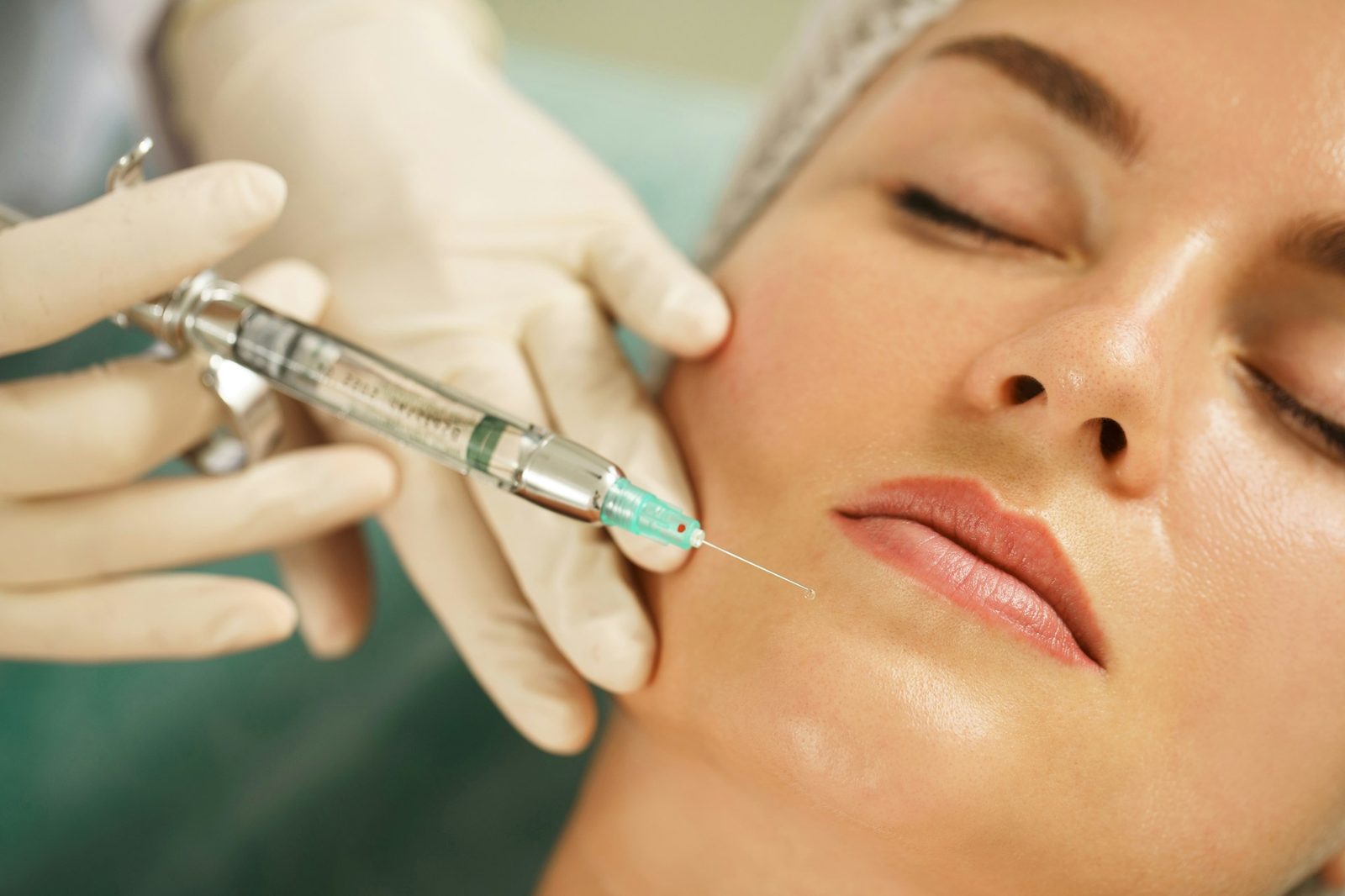
The injections themselves usually take only a few minutes. Many people describe them as a quick pinch with mild pressure, and they tolerate the visit well enough to fit it into a lunch break or a short break in the day.
It is normal to have a bit of soreness or tenderness at the injection sites for a short time afterward. Most people start to feel less clenching and more ease in their jaw within several days, with full results often felt within about two weeks. The effect typically lasts around three to four months before slowly wearing off.
Thoughtful TMJ care is rarely one-and-done. Many dental teams combine Botox with:
- Custom night guards to protect teeth and support the jaw
- Bite adjustments if certain teeth are hitting too hard
- Simple wellness tips to reduce strain on the jaw during the day
That way, Botox becomes one piece of a plan to support long-term comfort, not just a quick fix for a single season.
Choosing a Local Provider You Can Trust
When it comes to TMJ care with Botox, who you see matters. A family-run dental practice that also offers aesthetic treatments brings a helpful blend: a detailed understanding of how your jaw and teeth should work together, and a careful eye for balance in the face.
Having locations in both South Philadelphia and Haddonfield makes it easier for people who live, work, or commute through the area to find care that fits into everyday life. You do not have to travel far or juggle separate offices for TMJ, dental care, and facial treatments.
Ongoing care is also important. TMJ issues tend to change over time as stress levels, habits, and life events shift. Regular visits allow your provider to:
- Adjust Botox dosage and timing
- Check how your teeth and bite are holding up
- Update any night guards or other supportive tools
With that kind of steady support, many people find that jaw comfort becomes more predictable from season to season, so they can focus on the parts of life they actually enjoy.
Relieve Jaw Pain And Restore Comfortable Everyday Living
If TMJ symptoms are affecting how you eat, speak, or sleep, we are ready to help you find real relief. Our team at Pera Dentistry provides targeted treatment with Botox for TMJ in South Philadelphia to gently relax overworked muscles and ease tension in your jaw. We will take time to understand your concerns and create a treatment plan that fits your comfort level and goals. To schedule an appointment or ask questions about your options, please contact us.
Dr. Salvatore A. Pera, DMD
General & Cosmetic Dentist · Founder
Dr. Salvatore Pera founded Pera Dentistry & Aesthetics in South Philadelphia to bring comprehensive dentistry and aesthetic care together under one roof. Alongside Dr. Louis Pera and Dr. Maria Pera, he treats every patient the way he would treat family — unhurried, thorough, and focused on long-term health.
Meet the DoctorsBook a consultation with our team
Same-week appointments are available for new patients in South Philadelphia. We accept most PPO insurance plans.
Book an Appointment(215) 468-1425