Dental Bone Grafting in South Philadelphia: What It Is and Why It Matters
Learn what dental bone grafting is, who may need it, and how it helps prepare for implants. Gentle care from our South Philadelphia family dentists.

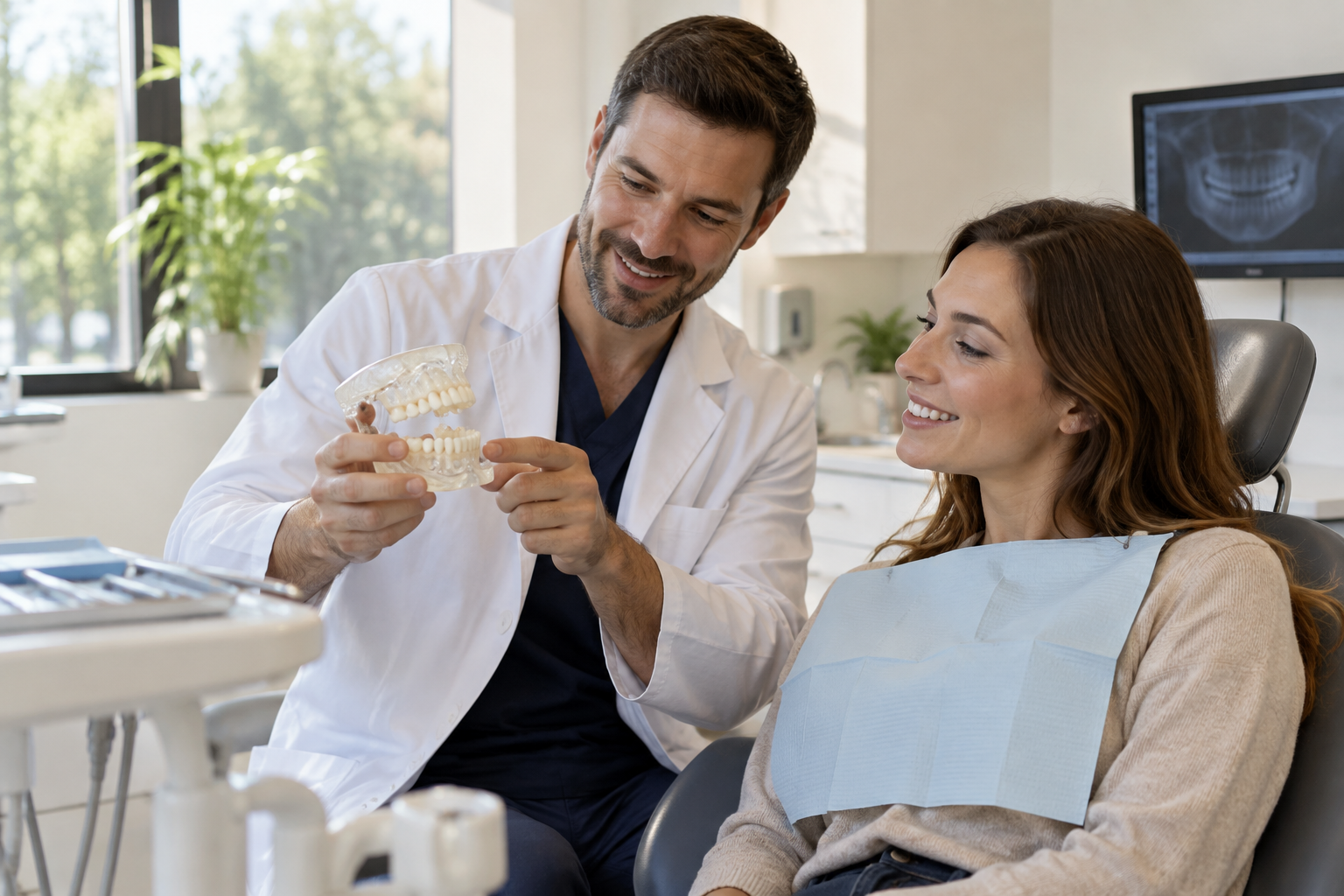
If you have been told you might need a bone graft, you probably have questions. What is it? Does it hurt? Why do I need it? Dental bone grafting sounds intimidating, but it is a common and well-established procedure. At our family-run practice in South Philadelphia, we walk patients through every step so they feel informed and comfortable.
What Is a Dental Bone Graft?
A dental bone graft adds bone or bone-like material to areas of the jaw where bone has been lost. Over time, your body uses the graft as a framework to grow new, healthy bone of its own.
Graft material may come from several sources, and we will talk with you about which option makes sense for your situation. The goal is always the same: rebuild a strong foundation in your jaw.
Why Jawbone Loss Happens
Your jawbone stays strong because your teeth stimulate it when you chew. When that stimulation stops, the bone can slowly shrink. Common causes of bone loss include:
- Missing teeth. After a tooth is lost or removed, the bone in that area often begins to shrink.
- Advanced gum disease, which can damage the bone that supports teeth.
- Infection around a tooth root.
- Injury or trauma to the mouth or jaw.
- Long-term denture wear, which does not stimulate the bone the way natural teeth do.
Who May Need a Bone Graft?
Not every patient needs grafting, but it is often recommended for people who:
- Want dental implants but do not have enough bone to support them
- Are having a tooth extracted and want to preserve the area for a future implant
- Have bone loss from gum disease
- Want to restore the natural shape of the jaw and face after tooth loss
Bone Grafting and Dental Implants
Dental implants act like artificial tooth roots, so they need solid bone to hold them securely. If the jaw has thinned, an implant may not be stable. A bone graft can rebuild that area so an implant has a better chance of long-term success.
In some cases, a graft is placed at the same time as a tooth extraction, often called socket preservation. This can help keep the bone from shrinking while the area heals, which may make future implant placement simpler.
What to Expect During the Procedure
Every case is unique, but a typical bone graft visit looks like this:
- Evaluation. We review your dental history and use imaging to see the bone in detail.
- Comfort first. The area is numbed so you feel pressure but not pain.
- Placement. The graft material is placed where bone is needed and the area is protected so it can heal.
- Healing. Over the following months, your body gradually builds new bone around the graft.
You can learn more on our bone grafting page.
Recovery Tips
Most patients find recovery manageable. Some mild swelling or soreness is normal for a few days. To support healing:
- Follow all of your post-procedure instructions closely.
- Stick with soft foods for the first several days.
- Avoid chewing directly on the graft site.
- Skip straws, smoking, and vaping, which can disrupt healing.
- Keep your mouth clean with gentle brushing and any rinses we recommend.
- Reach out if you notice pain that worsens, heavy bleeding, or signs of infection.
Is Bone Grafting Worth It?
For many patients, a bone graft is what makes a strong, natural-feeling implant possible. It can also help maintain your facial structure and protect neighboring teeth. We will always explain your options, including alternatives, so you can make the choice that feels right for you.
Frequently Asked Questions
Does a bone graft hurt? The area is numbed during the procedure, so most patients feel pressure rather than pain. Mild soreness afterward is common and usually manageable.
How long does healing take? It varies, but bone often needs a few months to mature before an implant can be placed. We will check your progress along the way.
Can I get a graft and an implant on the same day? Sometimes. In certain cases a small graft can be placed along with the implant. We will let you know what is possible after reviewing your imaging.
What happens if I skip the graft? Without enough bone, an implant may not be stable. We will always explain your options, including alternatives like bridges or dentures, so you can choose what feels right.
Rebuilding Your Smile in South Philadelphia
Whether you have recently lost a tooth or have been missing one for years, it is not too late to explore your options. Our warm, family-run team at Pera Dentistry will take the time to answer every question and build a plan around your goals. Schedule a consultation at our South Philadelphia office to find out if bone grafting is right for you.
General & Cosmetic Dentist · Founder
Dr. Salvatore Pera founded Pera Dentistry & Aesthetics in South Philadelphia to bring comprehensive dentistry and aesthetic care together under one roof. Alongside Dr. Louis Pera and Dr. Maria Pera, he treats every patient the way he would treat family — unhurried, thorough, and focused on long-term health.
Meet the DoctorsBook a consultation with our team
Same-week appointments are available for new patients in South Philadelphia. We accept most PPO insurance plans.
Book an Appointment(215) 468-1425